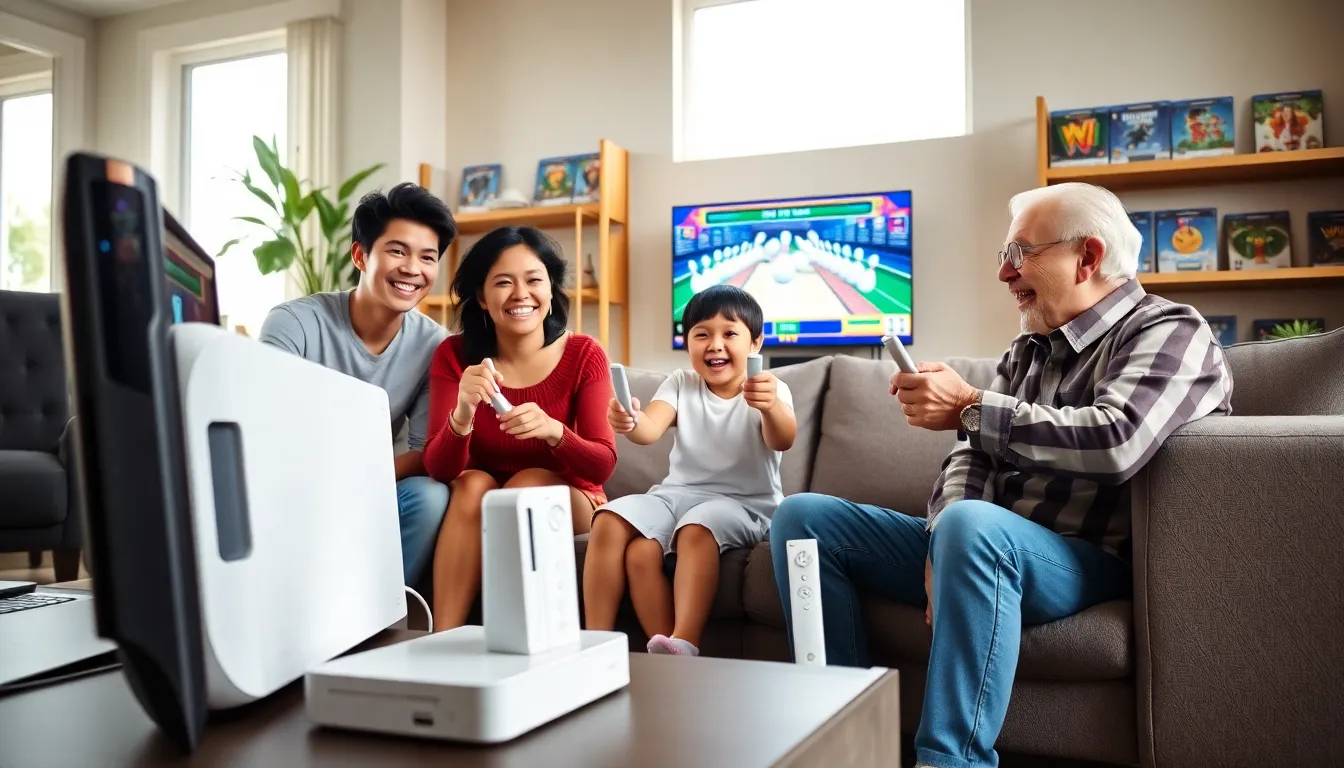
Nintendo Wii trends 2026 point toward a surprising resurgence for the motion-control console that defined a generation. Nearly two decades after its 2006 launch, the Wii remains a cultural touchstone. Collectors hunt rare titles. Modders push the hardware to new limits. And families rediscover the simple joy of Wii Sports bowling.
This article breaks down what to expect from the Wii scene in 2026. From nostalgia-fueled demand to shifting collector prices, the console’s second life is gaining momentum. Whether someone owns a dusty Wii in their closet or plans to buy one, these Nintendo Wii trends 2026 offer a clear picture of where the market is heading.
Table of Contents
ToggleKey Takeaways
- Nintendo Wii trends 2026 show a nostalgia-driven resurgence fueled by millennials, social media exposure, and the console’s timeless accessibility.
- Collector prices for complete-in-box Wii consoles and rare games like Xenoblade Chronicles and Dokapon Kingdom continue to climb.
- The homebrew and modding community remains highly active, with fan-run servers like Wiimmfi keeping online multiplayer alive.
- The Wii’s backward compatibility with GameCube discs makes it a two-in-one value for retro gaming collectors.
- New collectors can enter the Wii market affordably, assembling a quality setup with console, controllers, and games for under $150.
The Nostalgia-Driven Wii Revival
Nostalgia drives the Nintendo Wii trends 2026 forecast. Millennials who grew up with the console now have disposable income and a desire to revisit their childhood. They want to play Mario Kart Wii with their kids. They want to feel that familiar Wii Remote rumble again.
Social media accelerates this revival. TikTok videos featuring Wii gameplay regularly hit millions of views. Content creators showcase everything from Wii Sports Resort swordplay to obscure hidden gems. This exposure introduces the console to younger audiences who missed it the first time.
The Wii’s accessibility also fuels its comeback. Unlike modern consoles with complex setups, the Wii remains plug-and-play simple. Its motion controls still feel intuitive. Grandparents can bowl. Toddlers can swing tennis rackets. This universal appeal keeps the console relevant.
Retro gaming cafes and bars now feature Wii setups alongside arcade cabinets. The console has become a social experience again, not just a solo hobby. Expect this trend to grow through 2026 as more venues recognize the Wii’s crowd-pleasing potential.
Collector Market and Pricing Predictions
The collector market shapes many Nintendo Wii trends 2026. Prices for complete-in-box consoles have risen steadily since 2020. Sealed units command premiums that would have seemed absurd a decade ago.
Standard white Wii consoles in good condition sell for $80 to $120. Limited edition colors like red or black fetch higher prices. The rare blue Wii, released only in Europe and Japan, regularly exceeds $200.
Condition matters more than ever. Collectors pay premiums for boxes without dents, manuals without creases, and consoles without yellowing. Graded games from companies like Wata Games have created a speculative tier, though controversy around grading practices has cooled some enthusiasm.
Wii Games Gaining Value in 2026
Certain Wii games have become investment pieces. Here are titles expected to appreciate through 2026:
- Xenoblade Chronicles – First-print copies with red cases command $80 or more.
- Dokapon Kingdom – This party RPG routinely sells for $150 to $200.
- Fire Emblem: Radiant Dawn – Strategy fans drive prices past $100.
- Metroid Prime Trilogy – The steelbook version approaches $90.
- Kirby’s Return to Dream Land – Late-release titles often become scarce.
Shovelware and common sports titles remain cheap. But quality games with limited print runs continue climbing. Smart collectors focus on complete copies with original inserts.
Homebrew and Modding Community Growth
Homebrew development represents one of the most active Nintendo Wii trends 2026. The console’s security was cracked years ago, and the modding community has only expanded since.
Software like the Homebrew Channel lets users run unofficial apps and games. Developers create new titles, ports, and modifications regularly. The Wii’s PowerPC architecture provides enough power for creative projects without being too difficult to code for.
Popular homebrew applications include:
- USB Loader GX – Plays game backups from external drives.
- WiiFlow – Another loader with a slick cover-flow interface.
- RetroArch – Emulates dozens of older systems on Wii hardware.
- Wii64 – Brings Nintendo 64 games to the Wii.
- Priiloader – Adds system-level protections and shortcuts.
Online play has received new life through fan-run servers. After Nintendo shut down official Wi-Fi services in 2014, communities like Wiimmfi stepped in. Players still race in Mario Kart Wii online. They still brawl in Super Smash Bros. Brawl. These servers remain active and well-maintained.
Modding hardware has also evolved. Custom controllers, replacement disc drives, and upgraded video output solutions keep old consoles running. The Wii2HDMI adapter remains a popular accessory for connecting to modern televisions.
Expect the homebrew scene to stay vibrant through 2026. New developers join regularly, and legacy projects continue receiving updates.
How Wii Compares to Other Retro Consoles
Nintendo Wii trends 2026 must be viewed within the broader retro gaming landscape. The Wii competes for collector attention against the PlayStation 2, Xbox 360, and Nintendo’s own GameCube.
The PS2 remains the best-selling console ever, with a massive library. Its games generally stay affordable due to high production numbers. The Xbox 360 offers similar value, though disc rot has affected some titles.
The GameCube presents interesting competition. It shares backward compatibility with the Wii, since Wii consoles play GameCube discs natively. Many collectors buy Wiis specifically for this feature. A Wii with GameCube controller ports essentially offers two consoles in one.
Compared to older systems like the NES or SNES, the Wii offers a different appeal. Those 8-bit and 16-bit systems attract purists and high-end collectors. The Wii appeals to casual players, families, and those seeking motion-control experiences that still feel unique.
Pricing favors the Wii for new collectors. Entry costs remain low. A working console, controllers, and several quality games can be assembled for under $150. That accessibility makes the Wii an excellent starting point for retro gaming hobbyists.